


Endowments
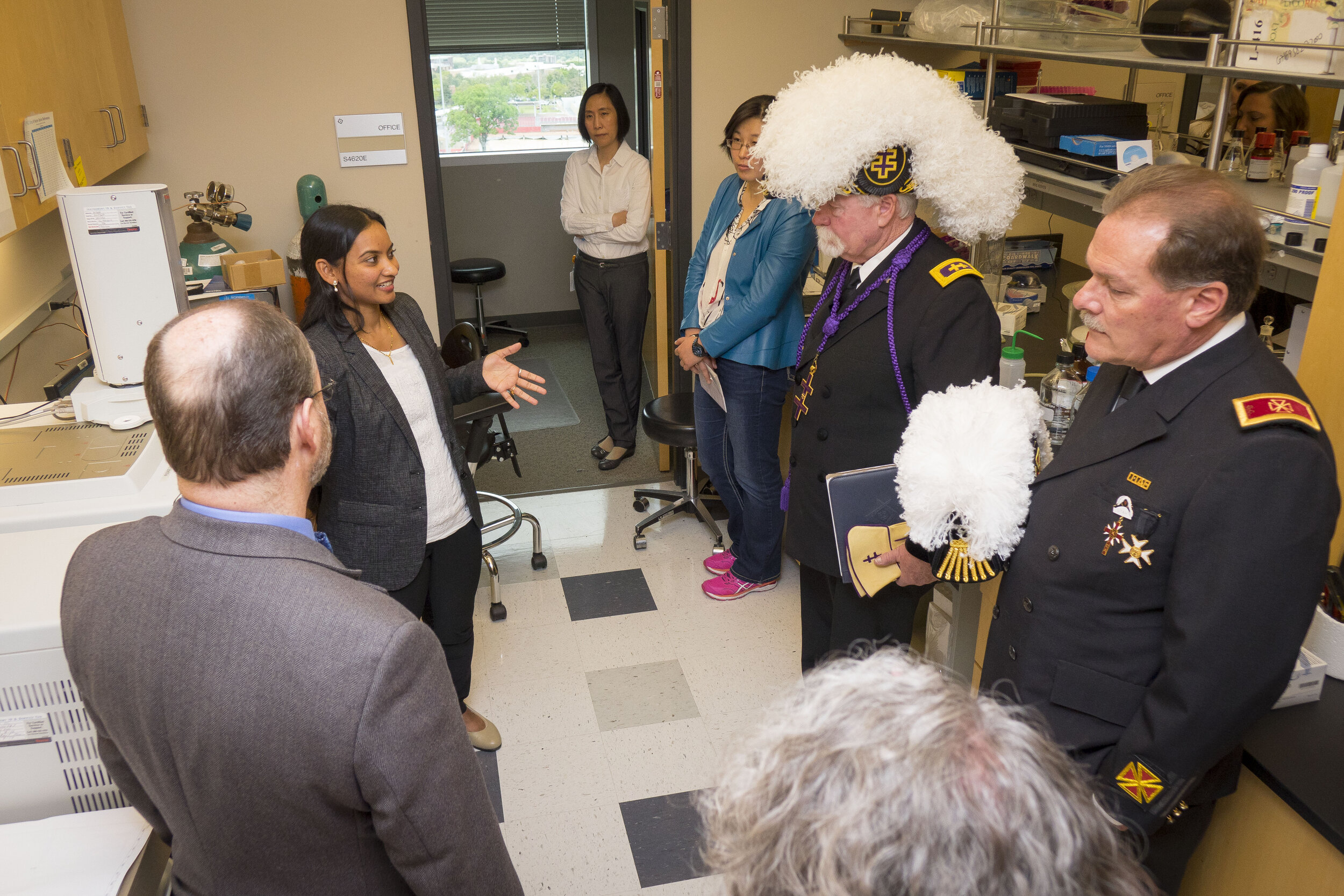
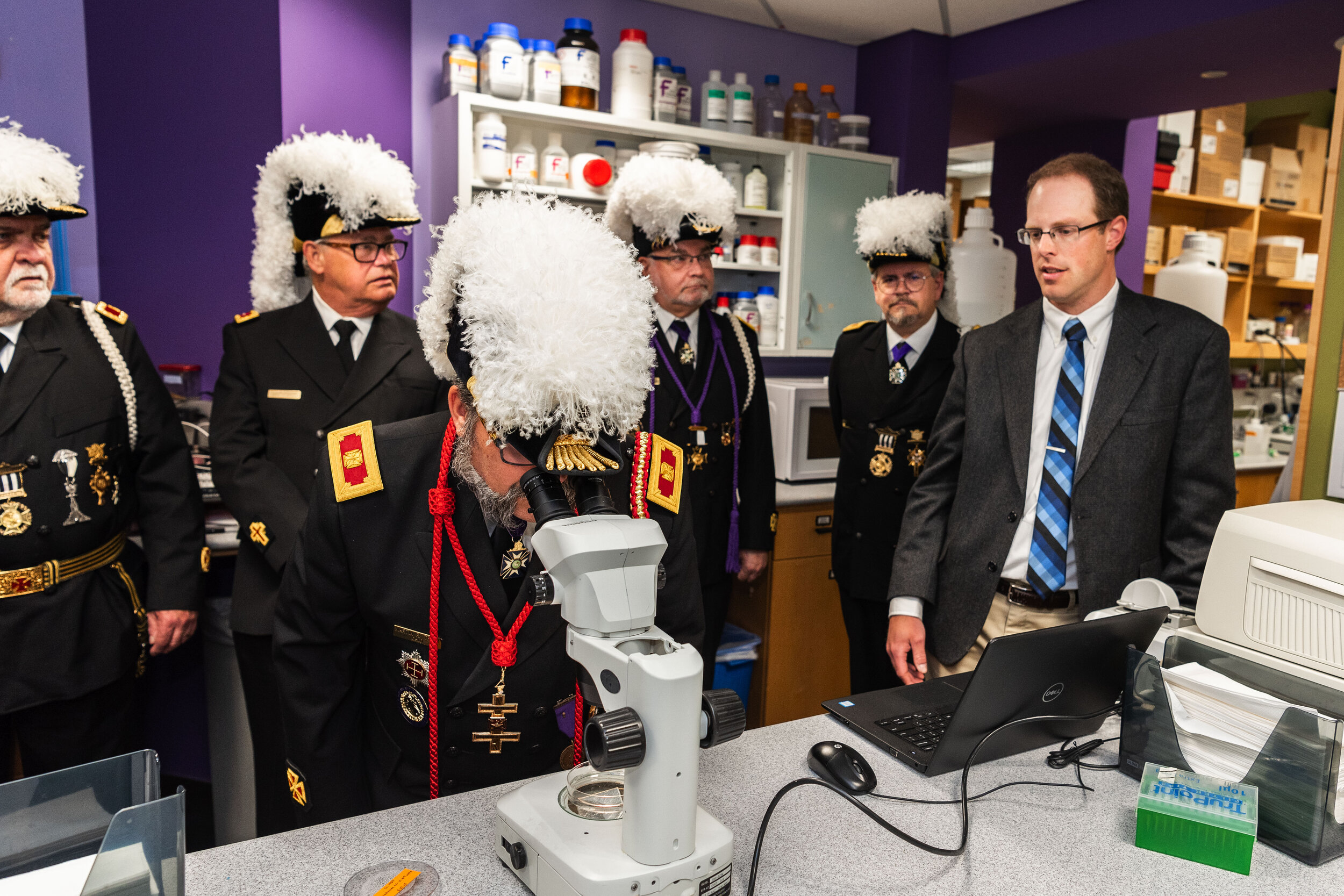
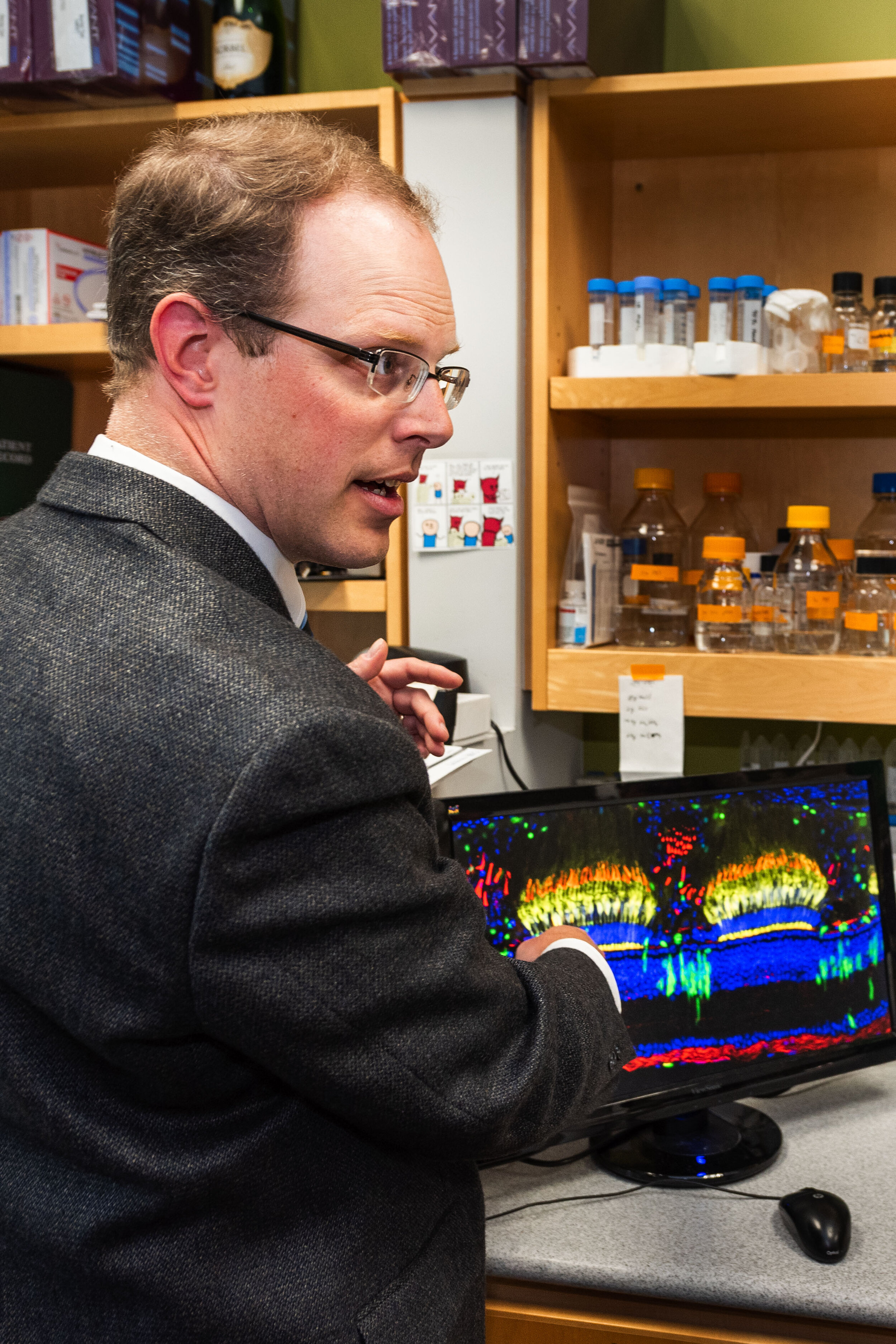
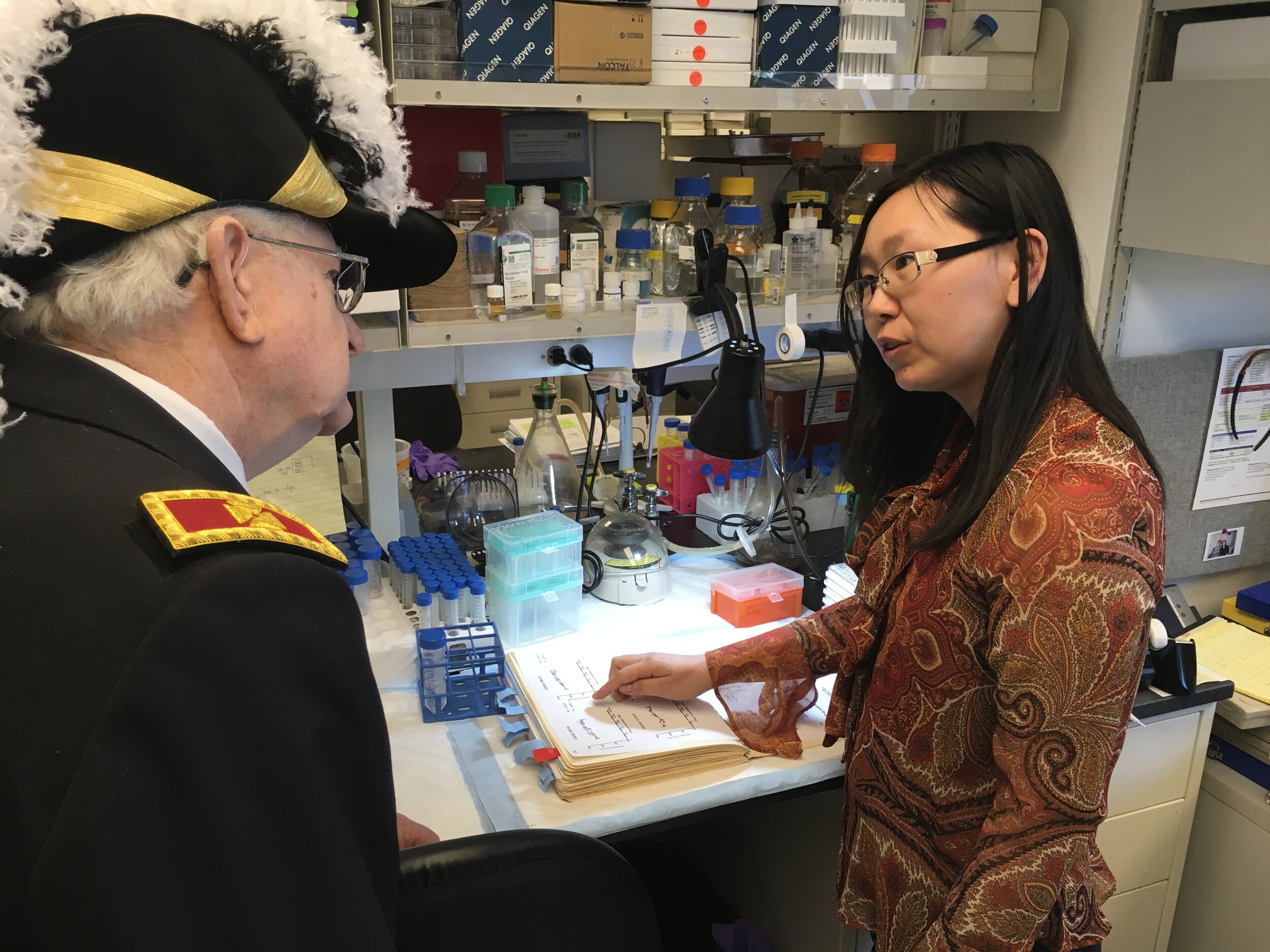
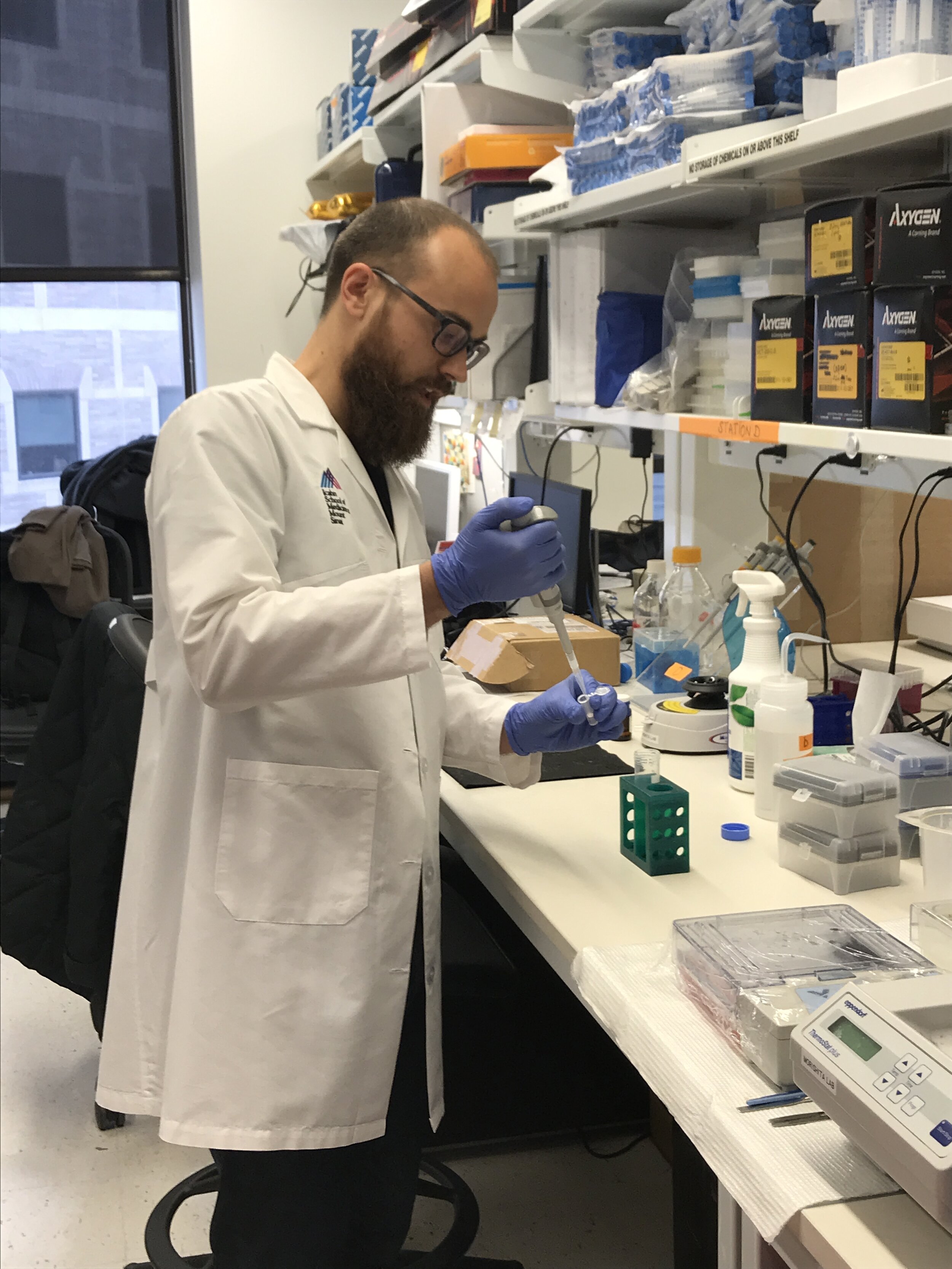
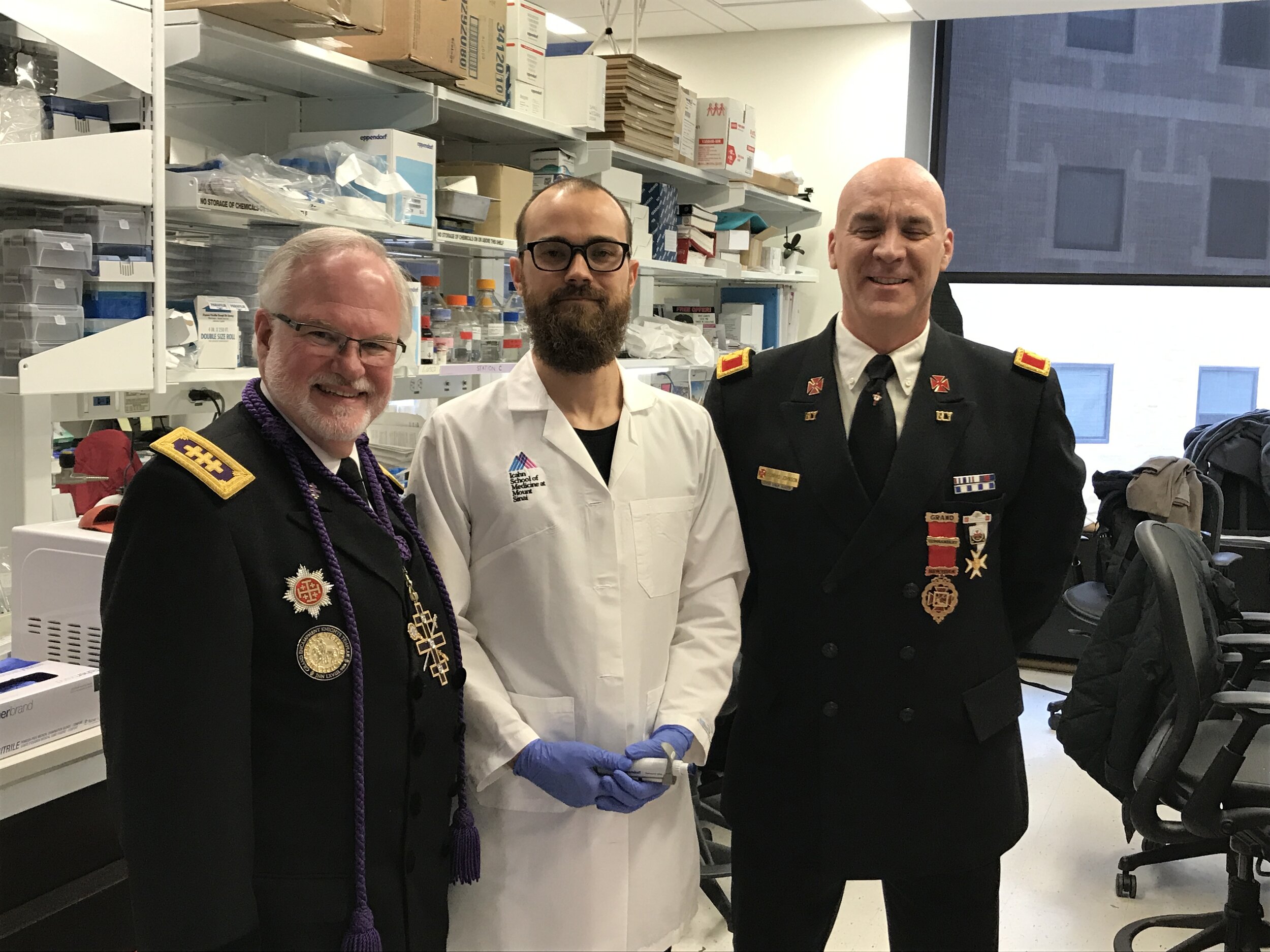
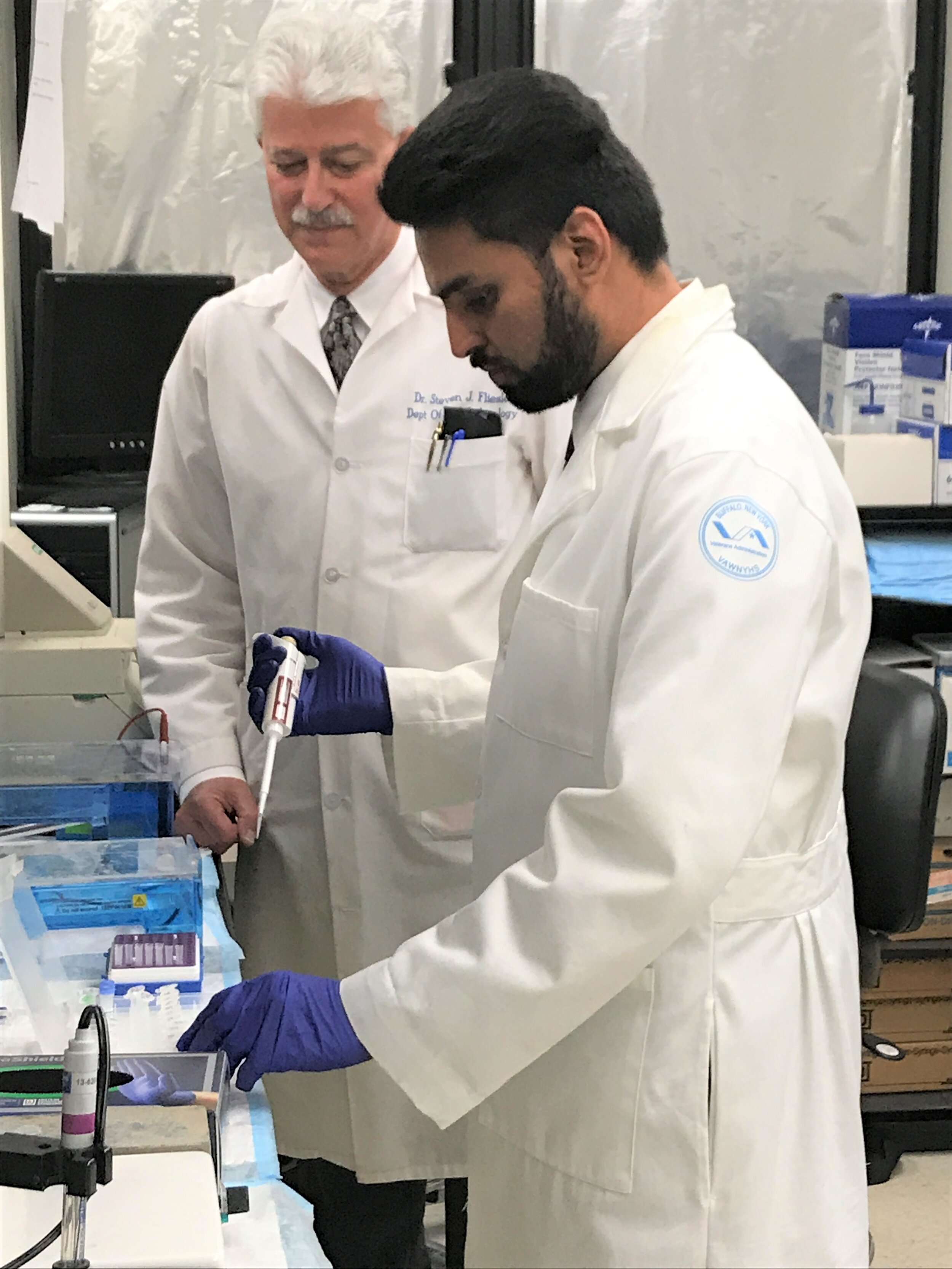
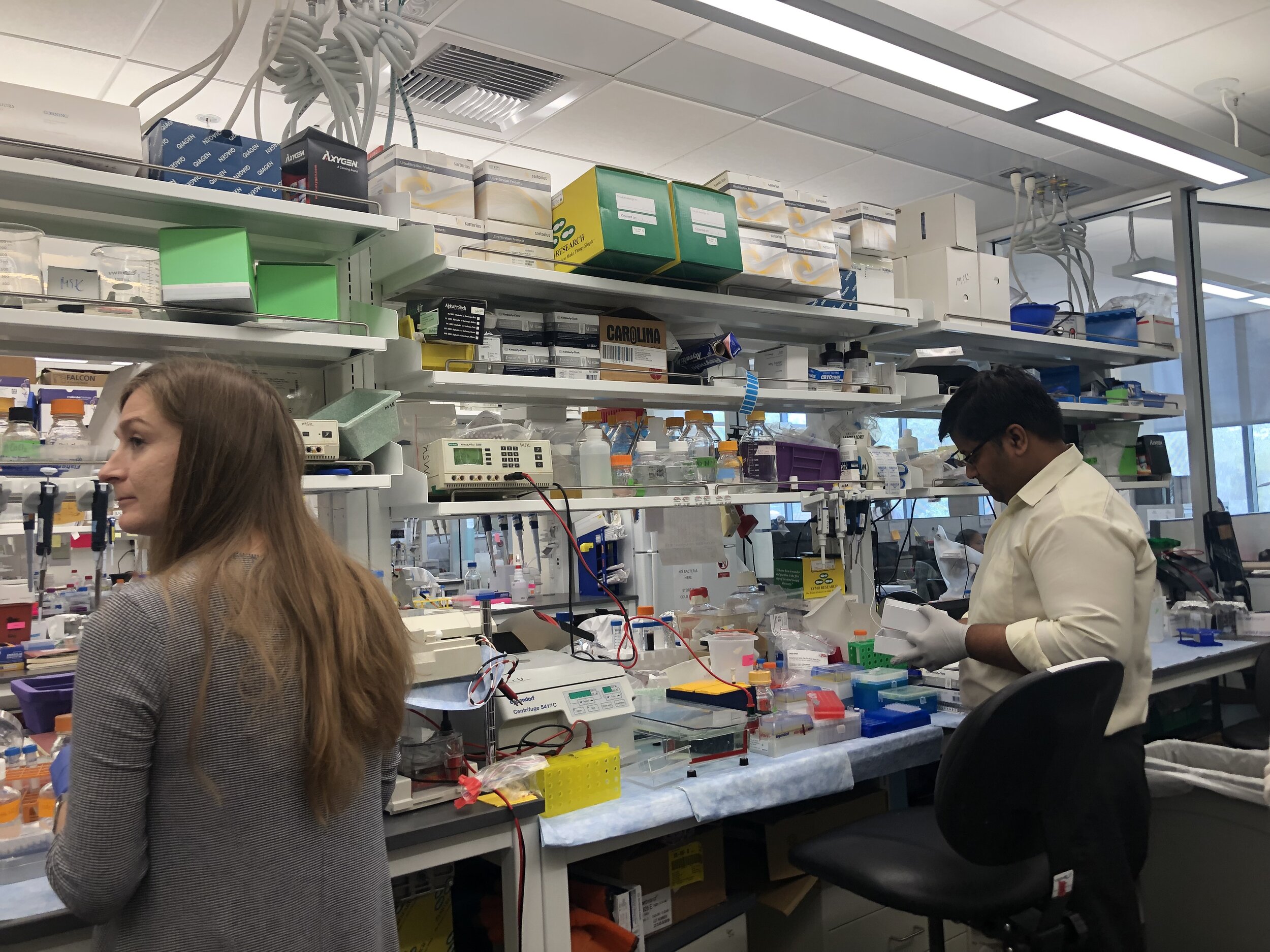
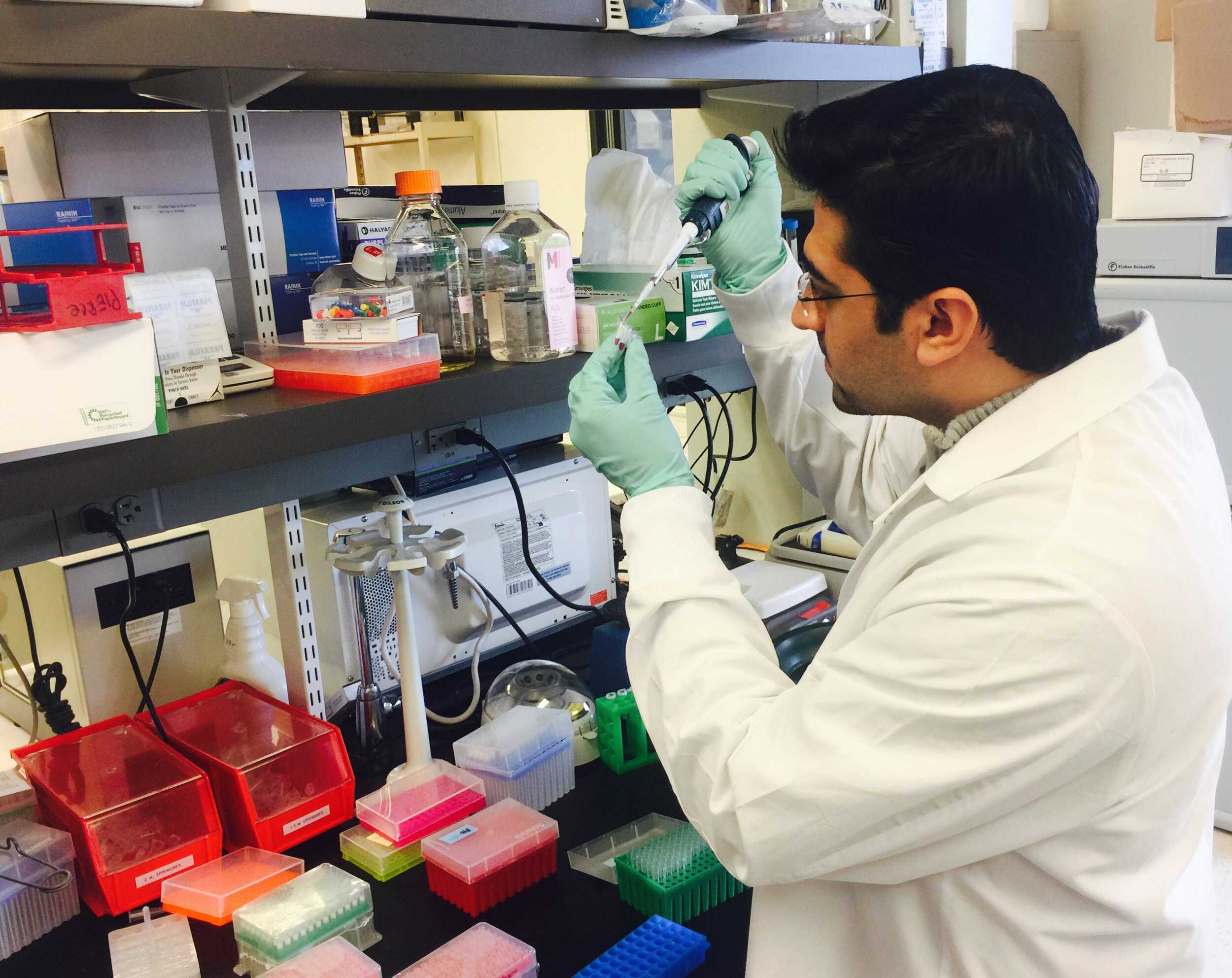
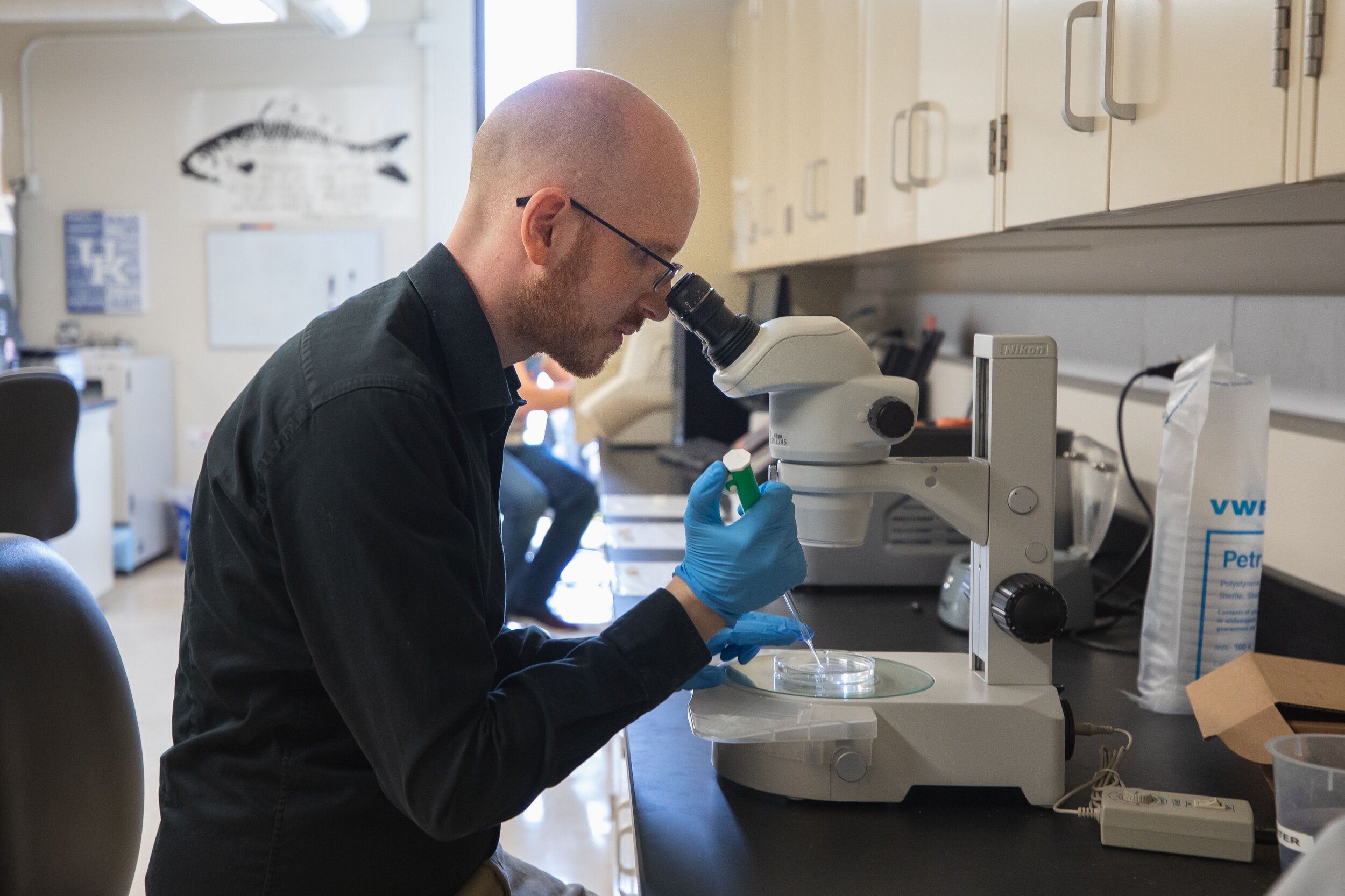
The Knights Templar Eye Foundation has established endowed professorship programs and research endowments at leading research universities and teaching hospitals.


From the President
We have learned over past decades that our efforts in funding pediatric ophthalmology research have been the primary reason that we have had fewer and fewer children with strabismus (crossed eyes) to treat. Our research dollars have helped develop new, non-surgical treatments for this problem, and additional research and endowment programs are all being funded as well by your faithful support.
Every donation will assist in making a tremendous difference in the lives of children by helping the Foundation to fulfill its mission.
Sir Knights, aside from his salvation, there is no greater gift for man on this earth than the gift of sight. Through your generous contributions, lives are being changed; research is being funded, which is allowing mankind to lead more fruitful and blessed lives.
The Knights Templar Eye Foundation, Inc. is committed to support research that can help launch the careers of clinical and basic researchers focused on the prevention and cure of potentially blinding diseases in infants and children. Grants supported by the Knights Templar Eye Foundation, Inc. are awarded to impact the care of infants, children, and adults. Clinical and basic research on conditions that may be potentially preventable or correctable such as amblyopia, cataract, glaucoma, optic nerve hypoplasia, nystagmus, retinopathy of prematurity, and hereditary diseases that occur at birth or within early childhood, such as retinoblastoma, is encouraged. Proposals for support of basic research on eye and visual system development also are welcome.
Each year the Knights Templar Eye Foundation, Inc., invites eligible investigators to submit applications for pediatric ophthalmology research grants:
Career-Starter Research Grants - up to $100,000 per grant. Applicants for these grants must be at the beginning of their academic careers and must have received M.D., Ph.D. or equivalent degree.
Competitive Renewal Grants - up to $100,000 per grant to extend the original grant project for one additional year when the data collected from the original grant is compelling enough to apply.
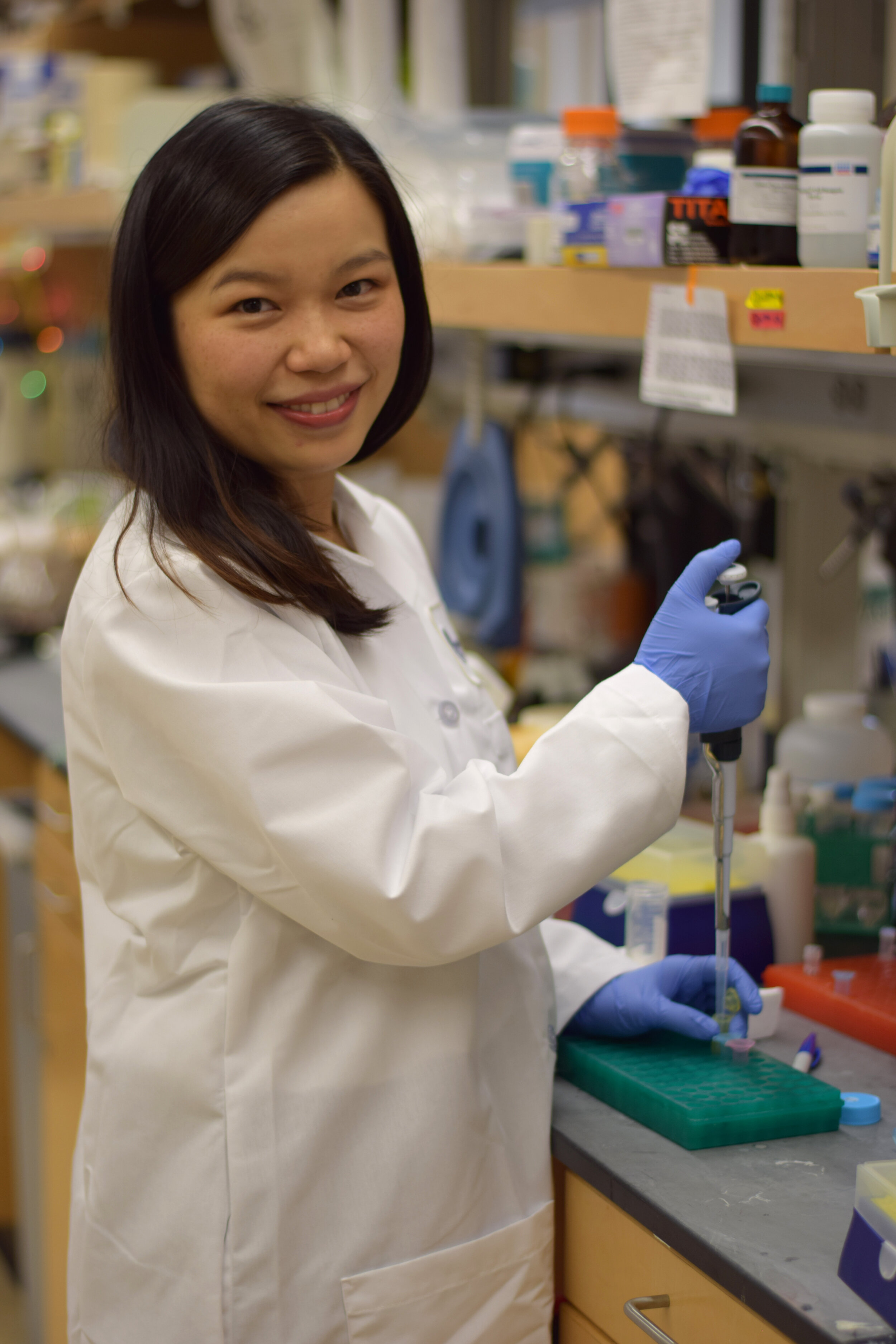
Dr. Daniel will test whether blocking an enzyme called GSK3 can lower harmful fibulin-3 levels and help restore healthy tissue structure. By studying cells and animal models, Dr. Daniel will show that correcting this tissue imbalance can improve fluid drainage and reduce eye pressure.
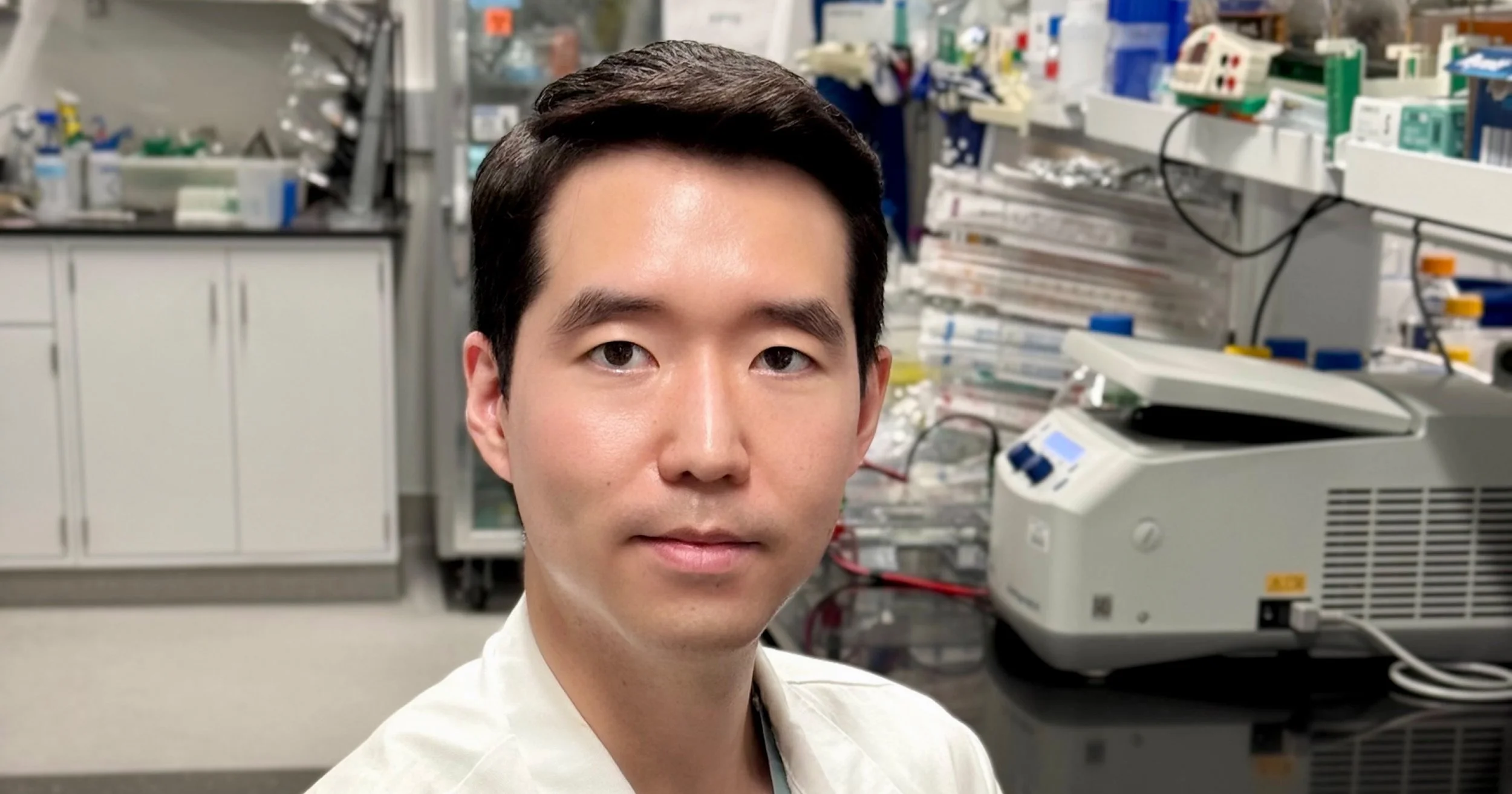
Dr. Choi aims to develop a new therapeutic strategy that corrects the underlying genetic variants responsible for STGD1. Using a highly precise gene-editing tool known as a ‘prime editor,’ he will repair the disease-causing mutations directly within the cells of the retina.
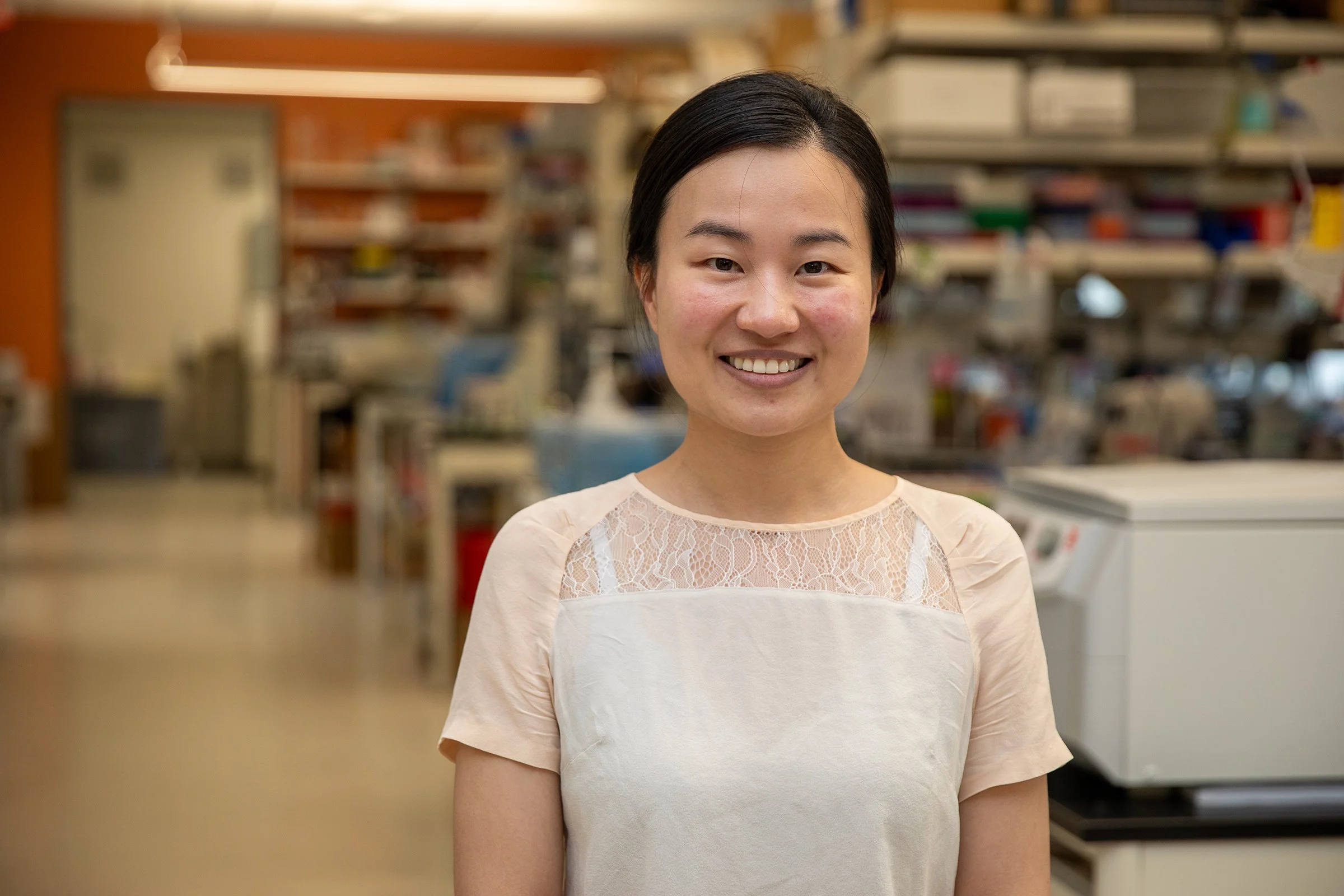
Dr. Cao’s recent research discovered mutations in FSD1L in six patients with early-onset retinitis pigmentosa (RP), indicating FSD1L as a newly IRD associated gene. However, very little is known about the function of FSD1L in the retina or how these genetic changes might lead to degeneration of photoreceptors, the cells responsible for capturing light.
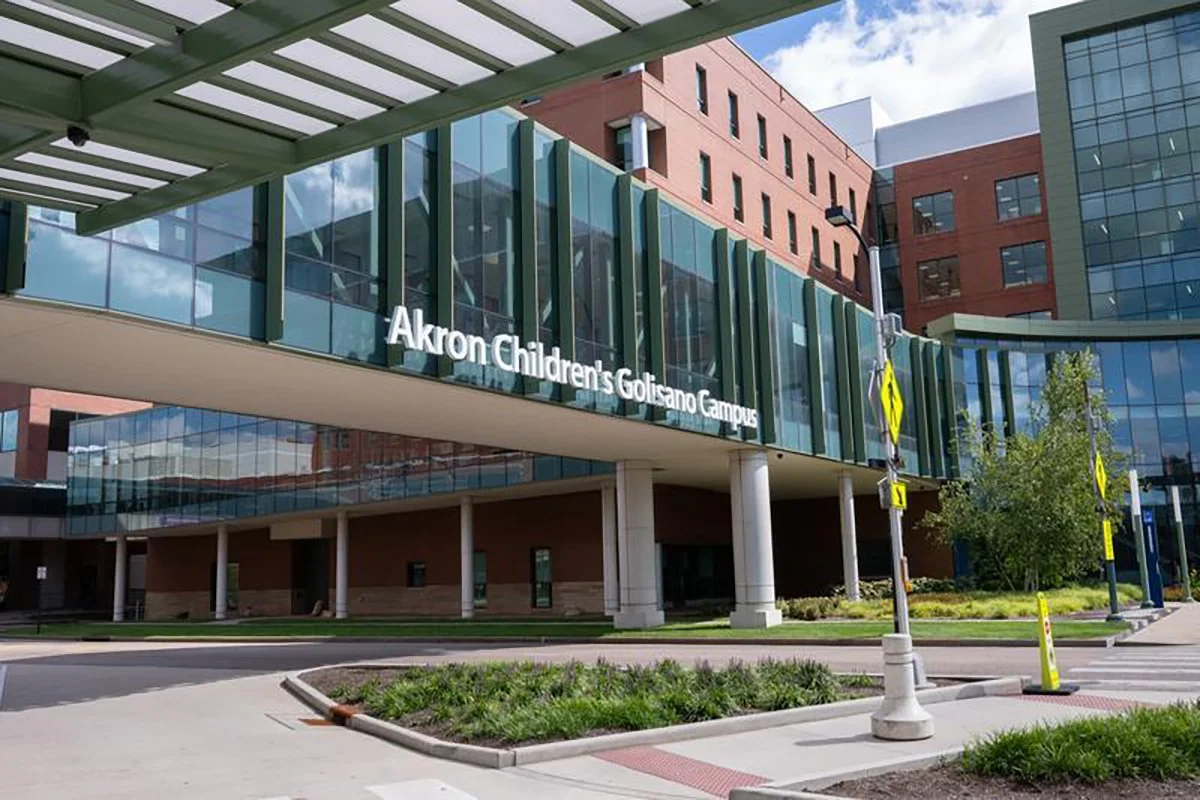
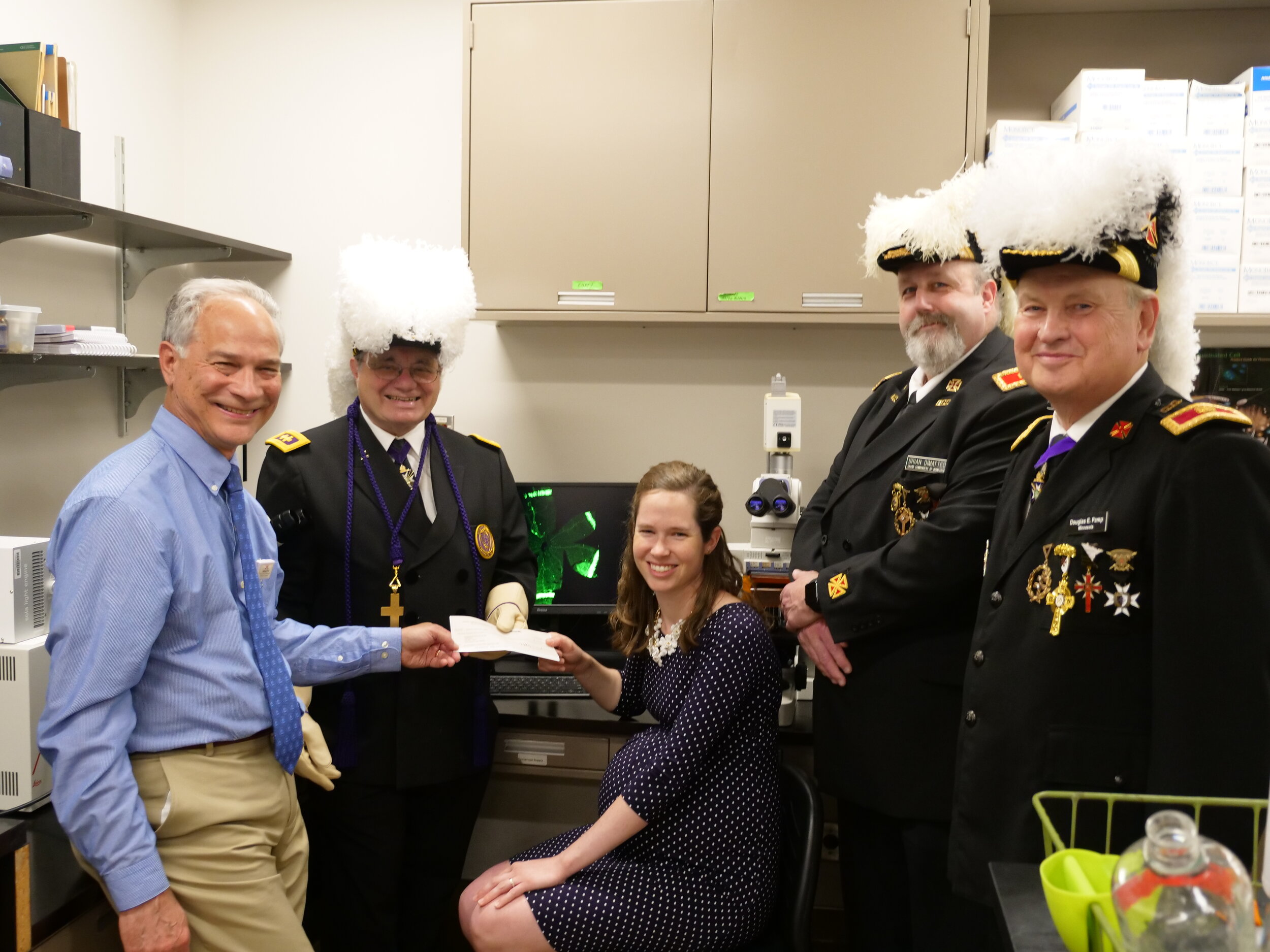
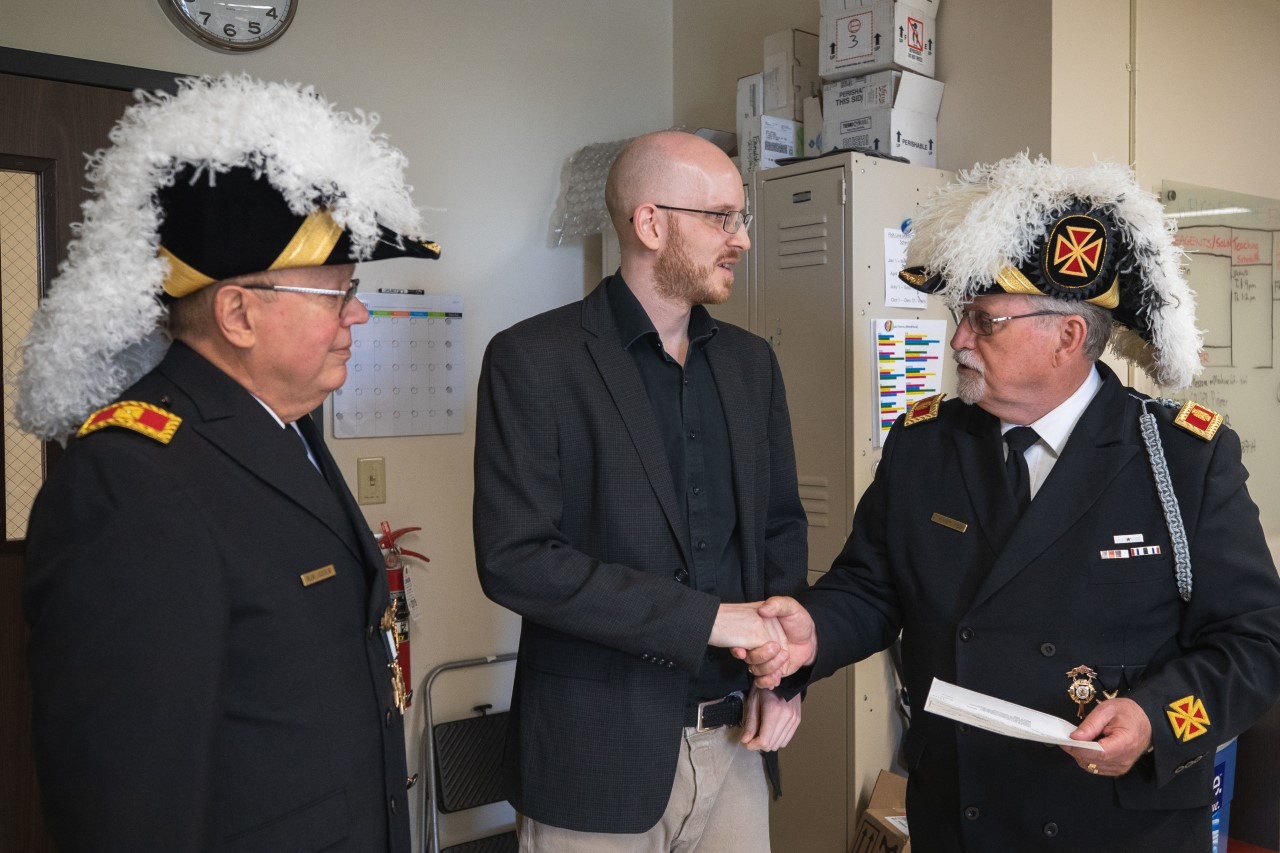
Akron Children’s has received a $2 million research endowment from the Knights Templar Eye Foundation (KTEF) to expand its research in pediatric eye disorders. In tandem with the foundation’s philanthropic support, Akron Children’s will match the gift with an additional $2 million for a total of $4 million.
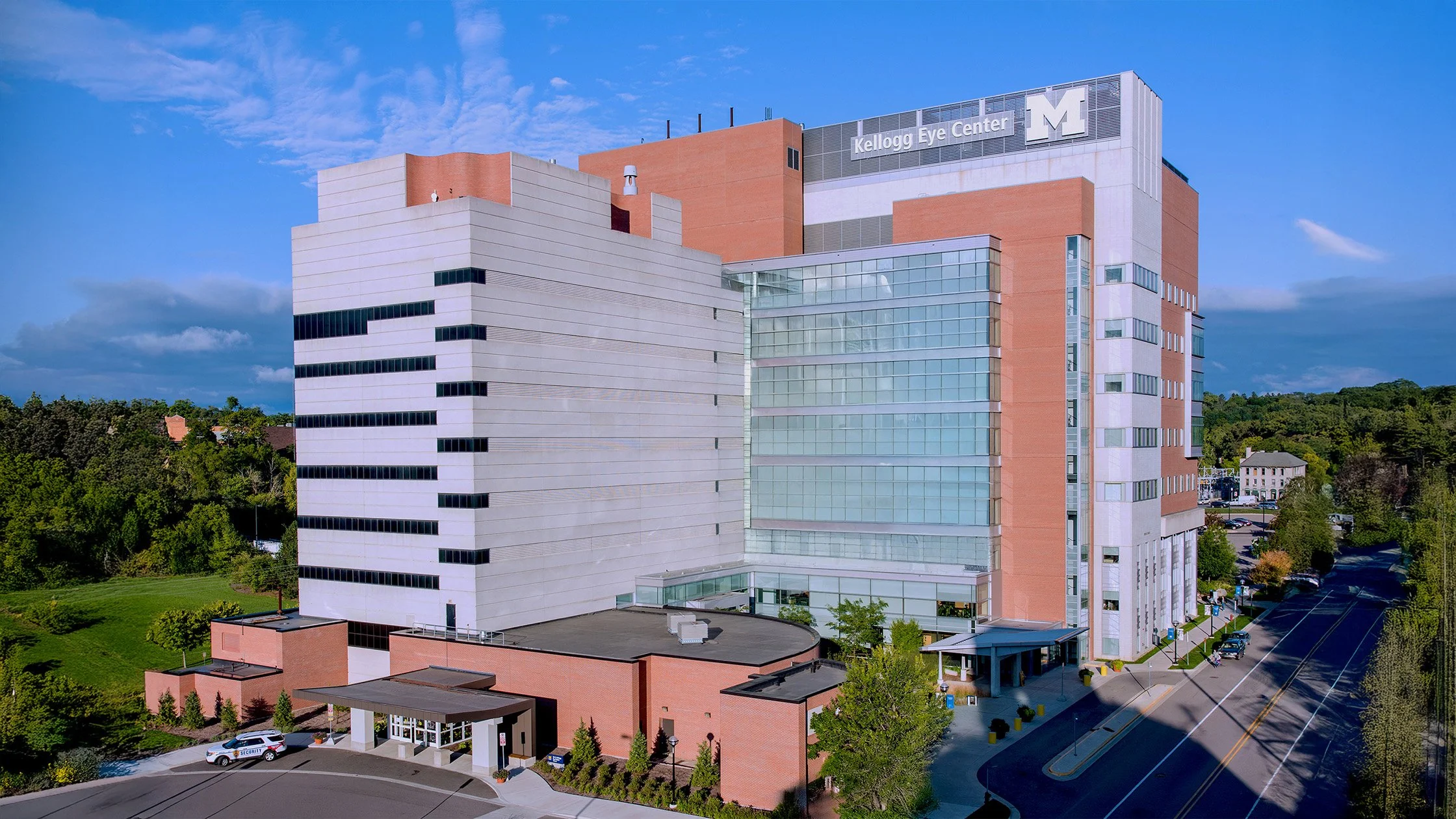
A $2 million gift from the Knights Templar Eye Foundation, Inc. (KTEF), has forged a partnership with the W.K. Kellogg Eye Center at Michigan Medicine’s Department of Ophthalmology and Visual Sciences, establishing the Knights Templar Eye Foundation Endowed Pediatric Research Fund.
Dr. Zaidi is studying whether Apolipoprotein A1 can reduce inflammation and abnormal blood vessel growth in retinopathy of prematurity. The research could point toward safer ways to protect vision in premature infants.
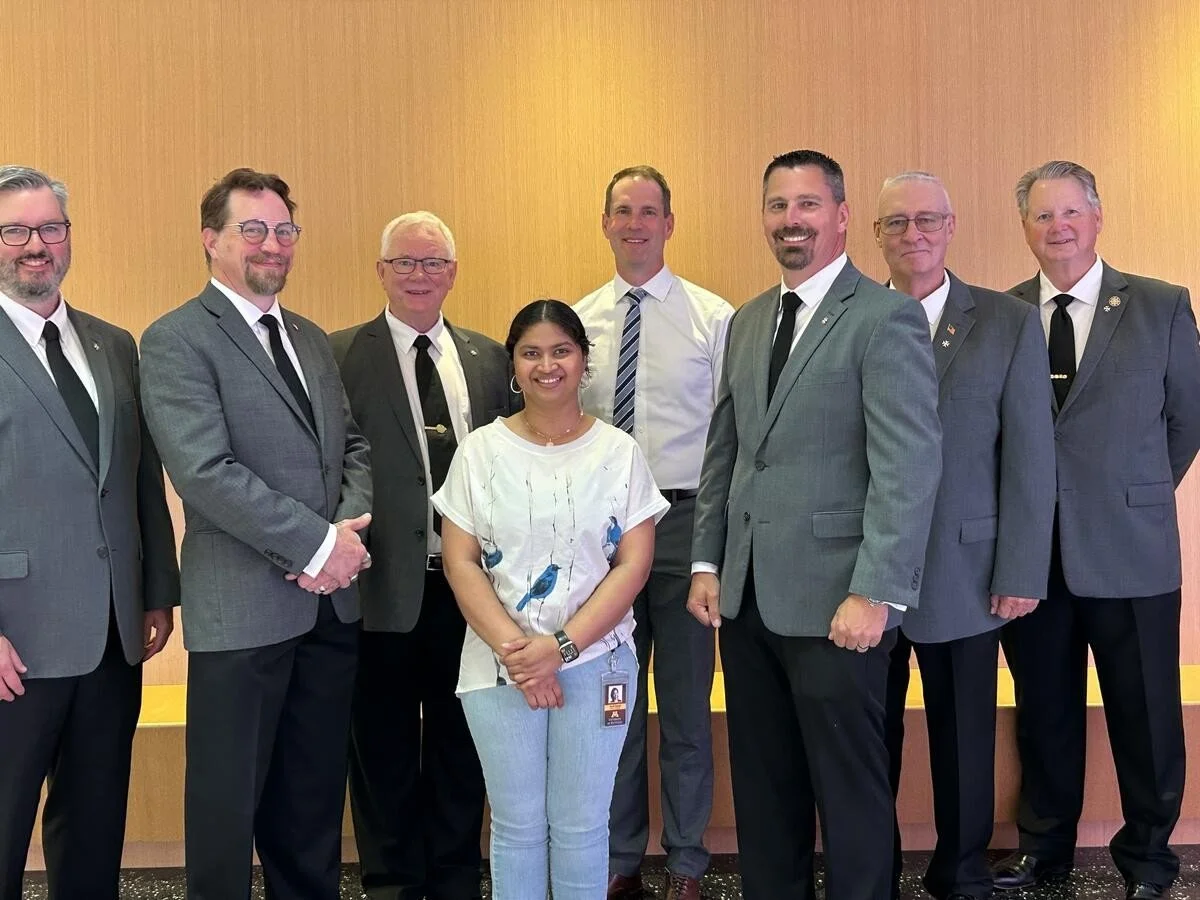
For the second year in a row, we received more contributions than any previous year. Contributions totaled $1,938,951. That is an increase of $61,357 or 3.3% over the prior Campaign. Two record setting years in a row. The Knights of the Grand Encampment are reaching deep and making a difference in this world.
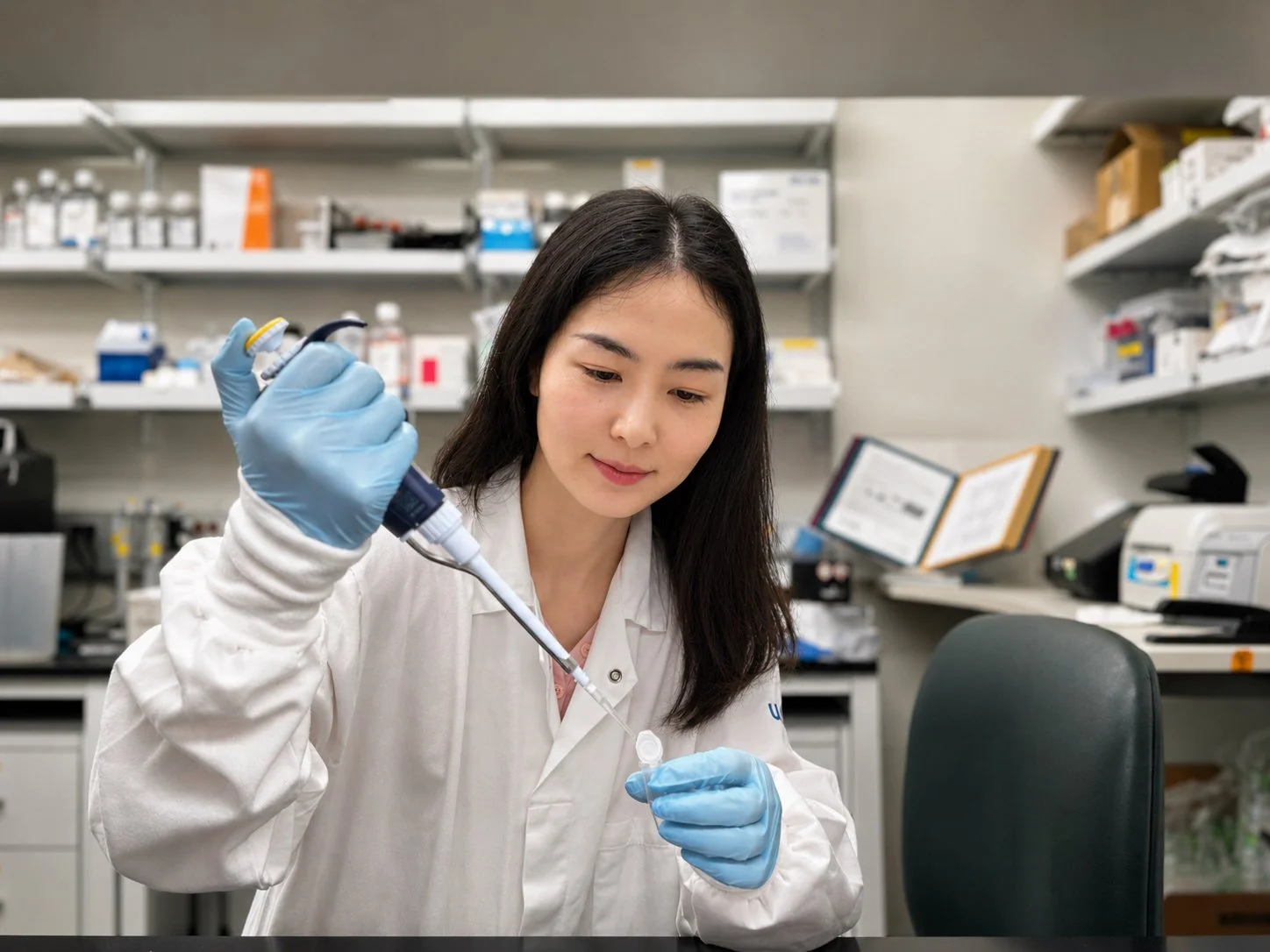
Dr. Wu is using advanced retinal imaging to study how juvenile myopia and related complications damage the retina. Her work aims to improve early detection and monitoring before permanent vision loss occurs.
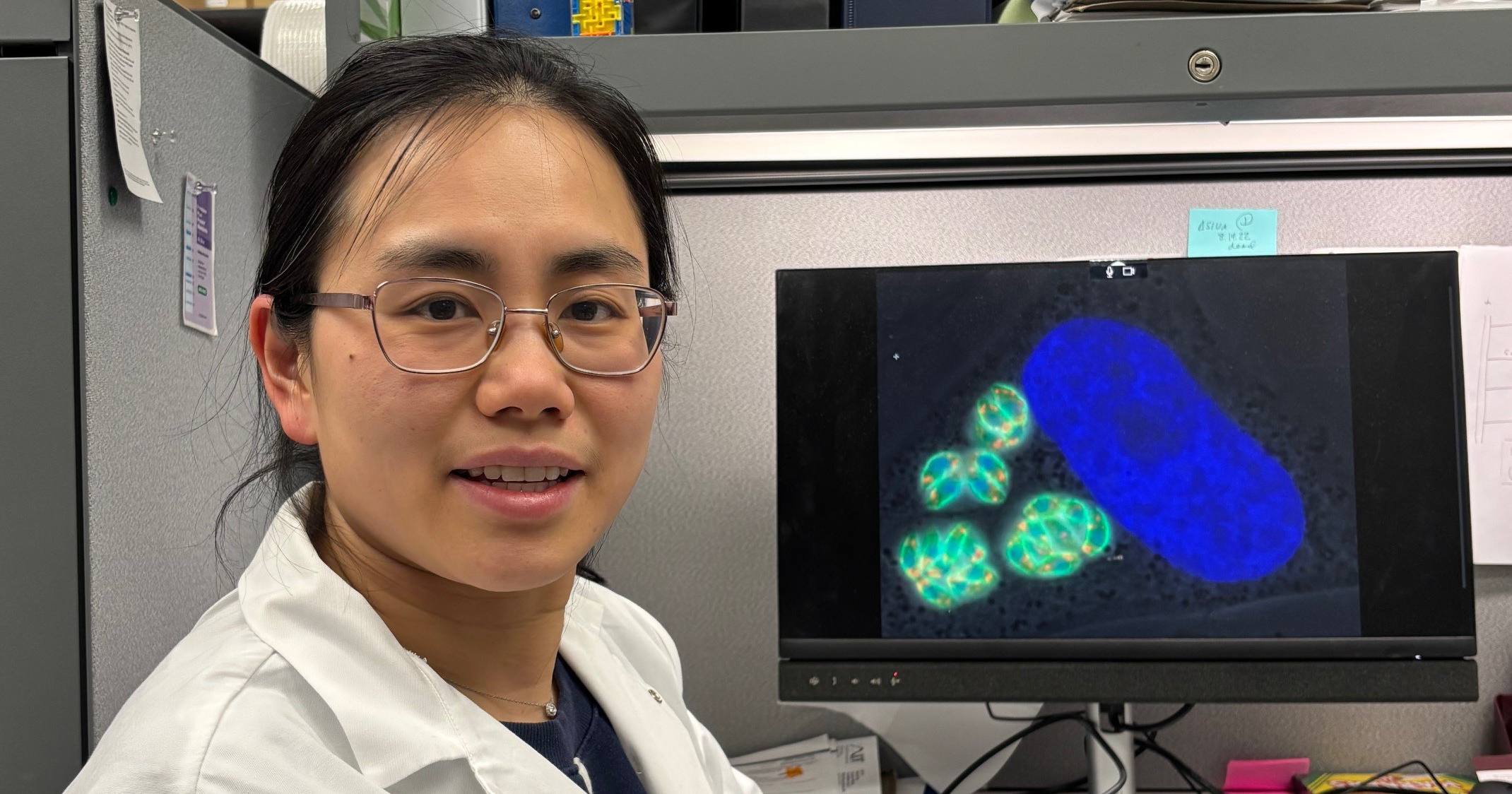
Dr. Wang is investigating Toxoplasma gondii, a parasite that can be acquired through contaminated food or exposure to contaminated soil or cat feces and can also be passed from mother to child during pregnancy. Her research focuses on how chronic cysts from the parasite form, persist, and reactivate in the eye, potentially leading to new treatments that prevent recurring eye damage and vision loss.
Dr. Vemula is studying the role of VEGF-A in infantile nystagmus, particularly in patients with albinism. His work could help determine whether an existing class of eye drugs may offer a new therapeutic approach.
A message from the John S. Penn Ph.D. former chair of the Knights Templar Eye Foundation, Inc. Scientific Advisory Committee.
The original mission of the Foundation was "to provide assistance to those who face loss of sight due to the need for surgical treatment without regard to race, color, creed, age, sex or national origin provided they are unable to pay or receive adequate assistance from current government agencies or similar sources and to provide funds for research in curing diseases of the eye."
On December 31, 2010, the Knights Templar Eye Foundation, Inc., by direction of the board, shifted the Foundation's focus and adopted a new mission statement "to improve vision through research, education, and supporting access to care." The Foundation now only participates in direct patient care through our partnership with EyeCare America and the Foundation of the American Academy of Ophthalmology. With this change, the Foundation is benefitting untold millions in generations to come through grants that support research and education.
Since its inception, the Foundation has expended over $190 million on research, patient care, and education.
Research grants totaling in excess of $45 million have been awarded to researchers working in the fields of pediatric ophthalmology and ophthalmic genetics.
All endowed professorships and research endowments are awarded $2 million, matched dollar for dollar by the institution.
Funds for the operation of the Knights Templar Eye Foundation are obtained from an annual assessment of each Knight Templar, contributions made by Masons from throughout the Masonic Family, fund-raising activities, memorials, wills and bequests, and donations from endowment funds or similar sources. See how you can help support us below.
Click below to see the various ways you can donate to the Knights Templar Eye Foundation right now.
There are creative ways in which the Knights Templar Eye Foundation, you and your loved ones all benefit at the same time.
In addition to donations, we also offer a variety of Knights Templar Eye Foundation Items that you can receive for a donation.
The Knights Templar Eye Foundation has established endowed professorship programs and research endowments at leading research universities and teaching hospitals.